Returns and Shipping Compliance Runbook for Google Merchant
Configure shipping and returns in Merchant Centre to prevent country-level suspensions, with per-region patterns, attribute fallbacks, and policy verification.
 Maya Singhon February 28, 2026· Updated May 15, 2026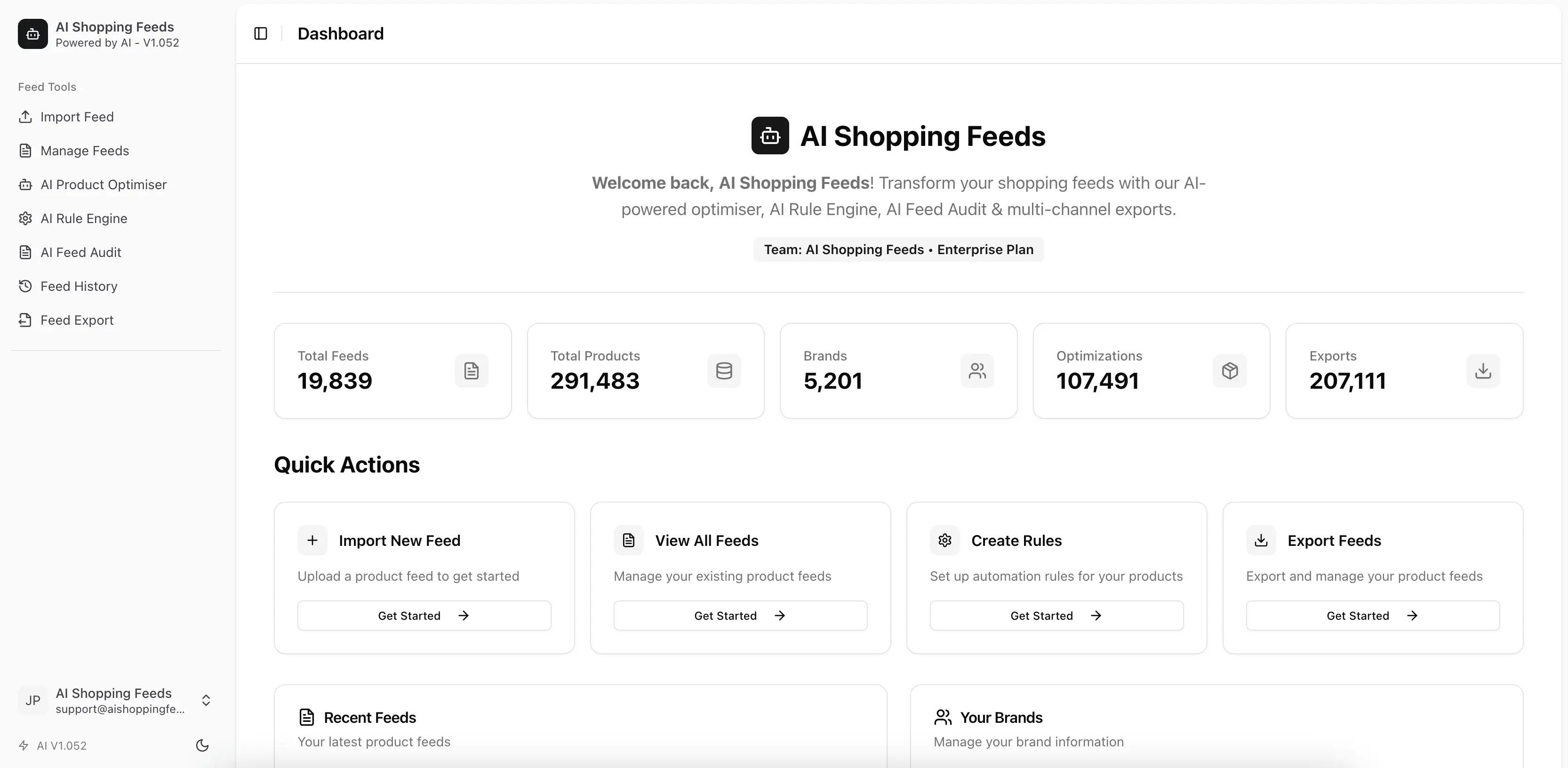
Shipping and returns are the quietest disapproval source in Merchant Centre. They don’t always appear as red errors in Diagnostics; they show up as missing impressions in countries you thought you were serving. This runbook covers the configuration that prevents the silent suspensions and the recovery for accounts that already have them.
How shipping and returns interact with Shopping eligibility
Every Shopping SKU has to satisfy two policies simultaneously: the product policy (no restricted content, valid identifiers, accurate data) and the destination policy (can the buyer in this country actually receive this product). Most teams obsess over the first and ignore the second.
The destination policy is enforced per country. A SKU that’s “Approved” overall can still be suspended in any country where shipping isn’t configured, returns aren’t set up, or tax (for the US) is incomplete. The Diagnostics tab doesn’t always reflect this, you have to check Performance > Countries.
Shipping configuration patterns
Option 1: Account-level flat rate (simplest)
Settings > Shipping and returns > Shipping services > Create shipping service. Set a flat rate per country.
Works for: small catalogs, single-currency sellers, brands with simple postage (flat rate everywhere).
Doesn’t work for: heavy items, oversized products, drop-shipped goods, multi-warehouse fulfilment.
Option 2: Account-level calculated rates
Same screen, choose “Calculated rate” instead of flat. Link your carrier accounts (UPS, USPS, FedEx, Royal Mail, Australia Post). Google calls the carrier’s rate API to calculate shipping per order based on package weight and destination postcode.
Required for accurate shipping on dimensional weight items. Most US and UK retailers above 500 SKUs end up here.
Option 3: Per-SKU shipping overrides
In the feed, use the shipping attribute:
shipping:US:CA:Ground:9.99 USDThis means: in the US, in California, via Ground service, charge $9.99. You can stack multiple shipping rows per SKU for different country/region/service combos.
Use per-SKU for: oversized items, dangerous goods, free-shipping promotions, regional restrictions (some products only ship to certain states).
Per-SKU shipping takes precedence over account-level shipping for that SKU. If you set per-SKU shipping for a country that’s not in your account-level shipping config, the SKU will only be eligible in that country if both: the country is in the destination feeds AND the per-SKU shipping is valid.
Option 4: Shipping label segmentation
Use shipping_label in the feed to group SKUs (e.g. “heavy”, “small”, “fragile”), then configure account-level shipping per label rather than per SKU. Cleaner than per-SKU overrides when you have hundreds of items that fall into a few shipping categories.
Returns policy configuration
Settings > Shipping and returns > Returns. The setup has three required fields and one optional:
Return window. Days from delivery during which a buyer can return. Common values: 30, 60, 90. Setting “no returns accepted” is allowed but disapproves in some categories.
Return method. Mail-in (you provide a return label) or in-store (for omnichannel retailers).
Who pays return shipping. Customer pays, seller pays, or free. “Seller pays” or “free” generally increases conversion in the SERP.
Restocking fee (optional). Percentage charged when the buyer returns an item. Disclose accurately.
Per-SKU returns overrides
Use return_window and return_method attributes in the feed for SKUs with different return treatment (e.g. perishables: 7 days; furniture: 14 days; electronics: 30 days).
For categories with no returns (food, personalised goods, intimate apparel), set the SKU-level return policy to “no returns” explicitly, don’t leave it blank and hope the account-level catch-all covers it. Blank fields disapprove in regulated categories.
Per-country compliance differences
Major regions have specific quirks:
United States. Tax setup required in addition to shipping. Without tax configuration, SKUs are suspended in any tax-required state (California, New York, Texas, etc.). Use Merchant Centre’s automatic tax (if your prices are tax-inclusive equivalents) or upload state-level tax rates.
European Union. Returns policy required (14-day minimum per EU consumer law). Free returns increasingly expected, Google’s data shows EU CTR is materially higher for SKUs marked as free returns.
United Kingdom. Post-Brexit, treat as separate region from EU. Customs declarations for EU-bound shipping. Returns minimum 14 days; 30+ is typical.
Australia. Returns under Australian Consumer Law have specific language requirements; the standard “no returns” disclaimer is not accepted for faulty goods.
Japan. Returns culturally less common; Google enforcement softer here, but the field still needs to be populated.
Common silent failure patterns
Pattern 1: New country opened, shipping not configured.
Marketing launches a campaign in a new region, Merchandising adds product translations, but Merchant Centre still has no shipping setup. SKUs serve overall but invisible in the new country. Catch this by setting a monthly review of Performance > Countries against your target country list.
Pattern 2: Returns blank for new category.
Catalog adds a new category (e.g. expanding from apparel to homewares), but the account-level returns policy is apparel-specific. Homewares SKUs disapprove for missing category-appropriate returns. Fix: set a sensible default returns policy at account level, override per category as needed.
Pattern 3: Per-SKU shipping override missing the country.
A heavy SKU has shipping:US::Heavy:50.00 USD but the account-level config doesn’t include US. The SKU never serves in the US. Per-SKU overrides require the country to be in your destination scope.
Pattern 4: Carrier-calc rate fails silently.
Carrier API returns an error for an out-of-range postcode. Google falls back to either zero-cost shipping (which can cause issues at scale) or no shipping (which suspends the SKU). Monitor carrier-rate health weekly.
Recovery from a country-level suspension
When you discover SKUs are suspended in a country:
- Check Performance > Countries to confirm scope (which SKUs, which countries, how long).
- Verify the config gap, shipping missing, returns missing, tax missing.
- Fix the config in Merchant Centre.
- No feed re-export is needed for account-level shipping/returns fixes, they apply automatically.
- Recovery window: 4-24 hours for shipping fixes, up to 48 hours for returns policy changes in regulated categories.
Automating the gate
A compliance gate at publish time should:
- Compare feed
linkcountry values against Merchant Centre’s configured shipping countries - Flag any SKU whose feed destination isn’t covered by account-level shipping
- Verify returns policy is configured for every category in the feed
- Check
shipping_weightunits against the carrier-calc account configuration
AI Shopping Feeds runs this gate per export and blocks the publish if shipping/returns coverage doesn’t match the feed’s destination scope. For multi-region accounts the alternative is monthly manual reconciliation, which is where silent country-level suspensions creep in.
Compliance checklist
- Shipping services configured for every country in the feed’s destination scope
- Returns policy set at account level, with per-category overrides for regulated categories
- US accounts: tax configured for all required states
- Per-SKU
shippingoverrides validated against account-level country scope shipping_weightunits match carrier-calc account configuration- Monthly Performance > Countries review against target country list
Sources
- Google Merchant Center Help, Shipping setup
- Google Merchant Center Help, Returns policy
- Google Merchant Center Help, Shipping attribute
- Related read: Fix common Merchant Centre disapprovals in 30 minutes
Why wait? Try it free today.
Stop managing feeds manually. Start optimising with AI in 30 seconds.
- Free plan, no credit card required
- 1 brand, 1 feed, 100,000 products per feed
- Full AI Product Optimisation, Rule Engine, and 200+ channel exports
- Pay only for AI credits when you need them