Universal Commerce Protocol: 2026 Merchant Feed Checklist
UCP turns the Merchant Center feed into a checkout-ready data layer. Field-by-field readiness checklist for merchants joining UCP in 2026.
 Alex Turneron May 24, 2026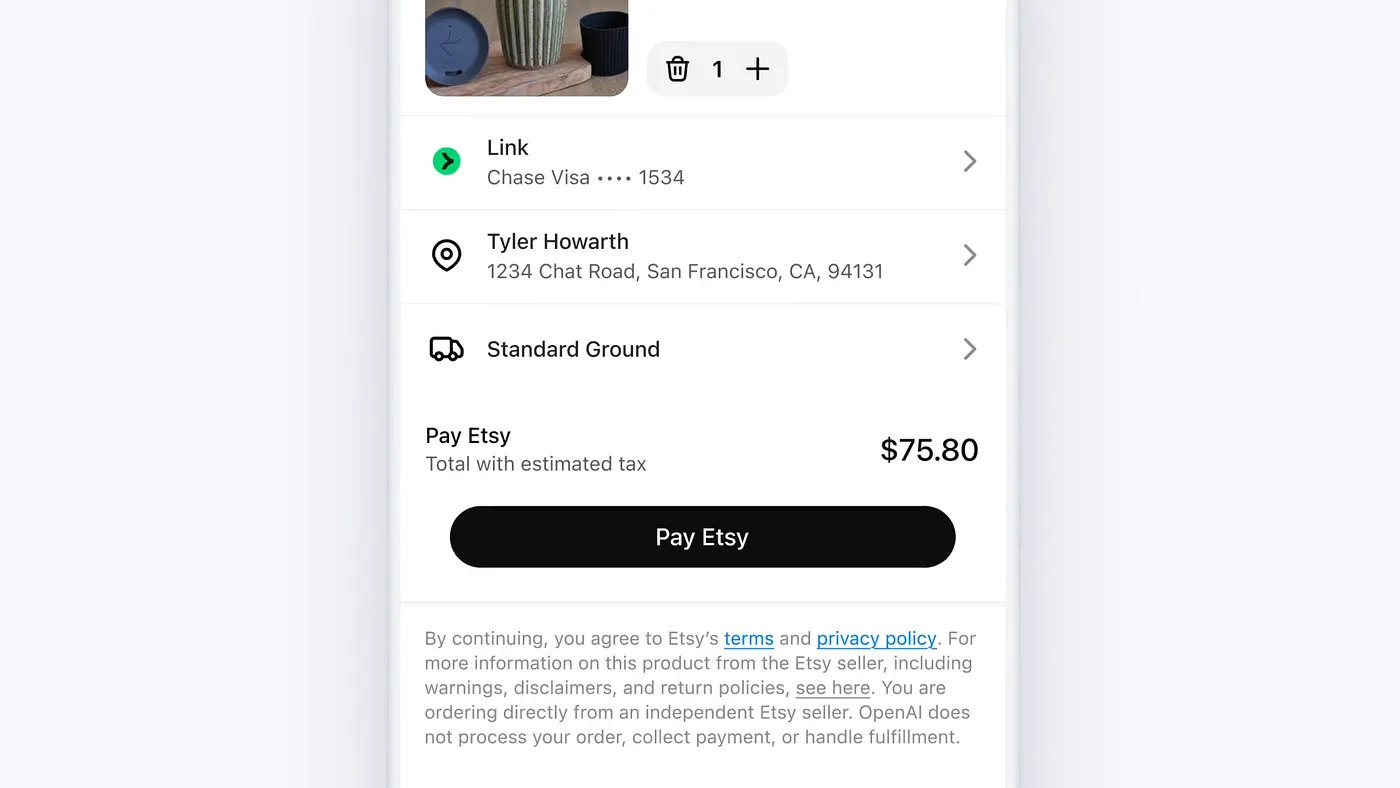
Universal Commerce Protocol (UCP) is the part of Google Marketing Live 2026 that quietly reorganizes what a Merchant Center feed has to be. UCP treats the feed as a checkout-ready data layer, not a discovery file. That single shift changes the operational standard merchants need to meet.
This is a practical checklist for getting a feed ready to participate in UCP. It assumes you already run reliable Shopping campaigns and want to take the next step into Universal Cart, native checkout from ads, or Direct Offers.
What UCP actually is
UCP is Google’s open standard for sharing product, inventory, pricing, and checkout data in a way that AI surfaces and partner platforms can interpret consistently. It powers three merchant-facing experiences announced or expanded at GML 2026.
- Universal Cart: a persistent cart across Google Search, Gemini, YouTube, and Gmail
- Native checkout from ads: shoppers complete a purchase inside the ad surface
- Direct Offers with native checkout: promotional formats that close the loop without redirecting the shopper
Underneath, UCP defines a common schema and onboarding pathway so that Google, partner retailers, and AI agents can transact against the same data without bespoke integrations.
Who is participating
The original UCP partners include Shopify, Etsy, Wayfair, Target, and Walmart. At GML 2026, Amazon, Meta, Microsoft, Salesforce, and Stripe joined the steering group. Geographic expansion to Canada, Australia, and the United Kingdom is planned for the months following GML 2026, with vertical expansion into food delivery and travel.
For most merchants, the practical entry point is Shopify or another connected platform. Direct UCP integration through Merchant Center is the alternative for teams running custom commerce stacks.
Related posts
- Google Marketing Live 2026 Shopping recap for merchants
- Universal Commerce Protocol guide for merchants
- Agentic commerce shopping guide
The feed work UCP requires
UCP raises the operational bar on four dimensions of feed quality. Each one matters because UCP transactions cannot tolerate the same drift that standard Shopping campaigns can absorb.
Pricing accuracy and timeliness
Shopping ads can survive a stale price for a few hours. UCP checkout cannot. If the shopper sees a price in Universal Cart, that price has to hold when the order is placed.
Practical implications.
- Inventory and price feed updates need to push more frequently than the standard four-hour cadence many merchants use today.
- Promotion start and end times need to be precise. A promotion that expires mid-cart is a refund event.
- Currency, tax, and shipping must reconcile against the cart total Google calculates.
Inventory truth
Universal Cart promises back-in-stock alerts. That means the inventory state in Merchant Center has to be honest enough to drive customer-facing notifications.
Practical implications.
- Out-of-stock products should disappear from the feed within minutes, not at the next sync.
- Low-inventory thresholds should reflect what merchants can actually fulfill.
- Multi-warehouse merchants need a deterministic aggregation rule so the feed reports a single, defensible availability state.
Structured policy and seller data
UCP shoppers do not visit a merchant site before purchase. They see whatever policy data the feed exposes. That data has to be durable and unambiguous.
Practical implications.
- Returns policy URLs must resolve to a current, branded page.
- Shipping policy URLs must clearly state cost, time, and country.
- Seller name, contact, and merchant identity must be consistent across the feed and any linked pages.
Variant clarity
UCP relies on item_group_id and variant grouping to let shoppers swap size or color inside Universal Cart. A feed with inconsistent grouping breaks that workflow.
Practical implications.
- Every variant in a group shares the same item_group_id.
- Each variant has a unique GTIN.
- Color, size, and other variant axes use Google’s controlled vocabulary, not free text.
The native_commerce attribute
The most concrete UCP change in Merchant Center is the native_commerce attribute. Google introduced help-page documentation for it on March 2, 2026, ahead of the GML 2026 expansion.
native_commerce does two things. It signals that the product is eligible for native checkout. And it bundles the structured data UCP partners need to fulfill orders without redirecting shoppers to the merchant site.
For most merchants, the attribute is populated through their platform integration (Shopify, BigCommerce, or a Merchant Center API push) rather than edited manually. Teams running custom feeds should treat the attribute as a per-product flag, not a global setting. Some products will be ready for native checkout. Others will not.
A four-phase rollout that does not break Shopping
Trying to flip UCP on across an entire catalog is the wrong move. The safer pattern is phased.
Phase one: confirm eligibility
Check your Merchant Center account for UCP onboarding pathways. Eligibility depends on geography, vertical, and the platform you use. If your platform handles UCP for you, your work is auditing what gets pushed. If not, prepare for direct integration work.
Phase two: audit core data quality
Before enabling anything UCP-specific, fix the foundations. Pricing accuracy, inventory truth, GTIN coverage, brand identity, and shipping rules all have to be reliable. UCP failures cluster around stale or inconsistent data, not protocol bugs.
Phase three: enable native_commerce on a narrow slice
Pick a category where shipping and returns are simple, inventory is stable, and margin tolerates a few early refunds if data drifts. Enable native_commerce for that slice only. Use the data and operational feedback to refine the playbook before expanding.
Phase four: scale and monitor
Expand to additional categories once the narrow slice runs cleanly for two to four weeks. Build operational dashboards for inventory drift, price mismatches, and checkout failures. UCP visibility issues hide easily when traffic is small. They become very visible at scale.
What to monitor after UCP is live
UCP introduces failure modes that standard Shopping ads do not. Add these to the monitoring stack.
- Cart-to-fulfillment match rate. The percentage of UCP carts that converted into a fulfillable order with no price or stock corrections.
- Checkout failure reasons. Group by category, warehouse, and policy URL.
- Cross-surface attribution. Universal Cart can hold an item across Search, Gemini, YouTube, and Gmail. Reporting needs to handle attribution across more than one entry point.
- Customer support volume. UCP shoppers contact support differently than site shoppers. Tag incoming tickets so the team can spot UCP-specific patterns.
Where to go next
If you are still mapping the broader GML 2026 announcements, start with the Google Marketing Live 2026 Shopping recap. If you want the foundational explainer on UCP itself, read the Universal Commerce Protocol guide for merchants. If you are thinking through the broader agentic commerce model, the agentic commerce shopping guide connects UCP back to the larger shift.
Universal Commerce Protocol is the first time Google has asked Merchant Center to behave like a checkout system, not a catalog. Merchant teams that prepare the feed for that standard now will be ready when Universal Cart and native checkout move from rollout to default.
Why wait? Try it free today.
Stop managing feeds manually. Start optimising with AI in 30 seconds.
- Free plan, no credit card required
- 1 brand, 1 feed, 100,000 products per feed
- Full AI Product Optimisation, Rule Engine, and 200+ channel exports
- Pay only for AI credits when you need them